Tools needed
- Garden fork or broadfork (optional)
- Rake
- Hoe
- Hand seeder or broadcast spreader (optional)
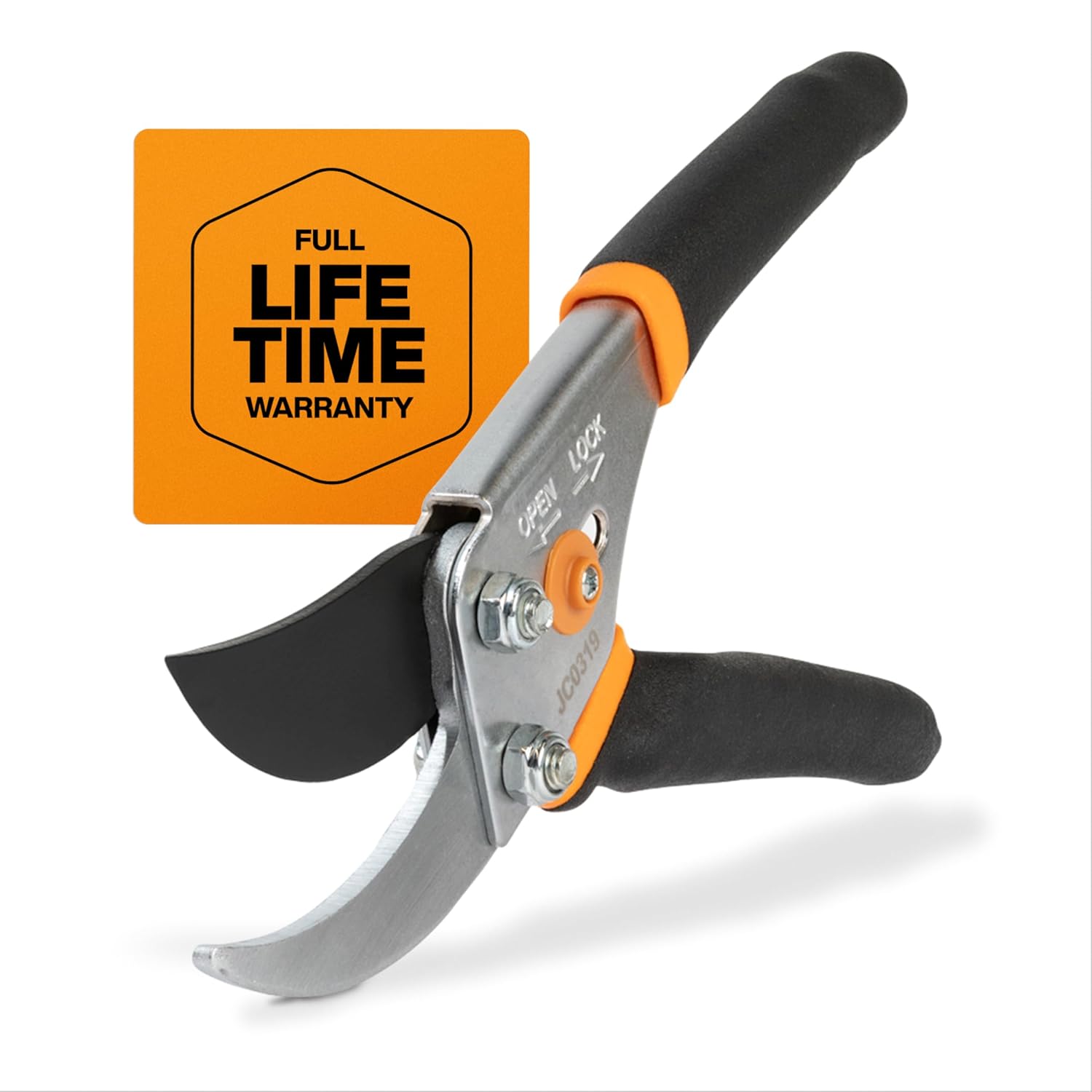
- Lawn mower, string trimmer, scythe, or pruning tools for termination, depending on plot size
- Watering can or hose
- Garden gloves
- Soil thermometer (optional)
- Tarp or silage tarp (optional, where suitable)
Materials needed
- Cover-crop seed suited to the season and location
- Sorghum-sudangrass seed for warm-season high-biomass planting where appropriate
- Mustard cover-crop seed where appropriate
- Daikon or forage-radish cover-crop seed where appropriate
- Compost (optional)
- Organic mulch (optional)
- Plant labels or garden markers
Step-by-step
- 1
Choose the garden bed or plot that will be between main crops long enough to grow a cover crop.
- 2
Identify the planting season, expected first frost, and the date when the next food crop will be planted.
- 3
Choose a cover crop based on the season and goal, such as biomass, soil cover, weed suppression, rooting depth, or easier winter termination.
- 4
Use sorghum-sudangrass only during warm conditions and where there is enough time and space for a large, fast-growing crop.
- 5
Use mustard or daikon-type cover crops where their season and role fit the rotation.
- 6
Avoid repeating brassica cover crops immediately before or after closely related brassica food crops when disease or pest rotation is a concern.
- 7
Remove large weeds and rake the soil surface so seed can contact the soil.
- 8
Sow seed at the spacing or broadcast rate recommended on the seed package for the specific crop.
- 9
Lightly cover or rake in seed as directed on the package.
- 10
Water gently after sowing and keep the seedbed evenly moist until germination.
- 11
Monitor growth and remove problem weeds before they set seed.
- 12
Mow sorghum-sudangrass before it becomes overly tall and woody if the goal is manageable residue and easier termination.
- 13
Terminate the cover crop before it sets viable seed and with enough time for residue to break down before planting the next crop.
- 14
Leave cut residue on the surface as mulch, compost it, tarp it, or incorporate it lightly only when that approach fits the garden plan and soil conditions.
- 15
Observe soil moisture, residue breakdown, and nitrogen needs before planting the next crop.
Common mistakes
- • Choosing a cover crop without considering season, frost date, and the next crop.
- • Letting a cover crop set seed and become a weed problem.
- • Planting sorghum-sudangrass too late or where there is not enough space for vigorous growth.
- • Allowing sorghum-sudangrass to become overly woody before mowing or termination.
- • Treating every cover crop as a guaranteed fertilizer replacement.
- • Following brassica cover crops immediately with related crops without considering disease and pest rotation.
- • Expecting woody residue to disappear immediately.
- • Planting the next vegetable crop too soon after heavy residue without checking moisture, soil temperature, and decomposition.
Maintenance & next steps
Track what was planted, when it was terminated, and how the following vegetable crop performs. Use soil testing and seasonal observation to refine cover-crop choices over time.
Contact a local Extension office, soil professional, or experienced grower if you have persistent soil compaction, drainage problems, recurring disease issues, or need crop-rotation guidance for a large or intensively planted garden.
Frequently asked questions
What is garden biomass?+
Garden biomass is plant material such as stems, leaves, and roots that can add organic matter, protect the soil surface, and support soil life as it decomposes.
Is sorghum-sudangrass good for a home garden?+
It can be useful where there is warm weather, adequate space, and enough time for a vigorous high-biomass crop. It needs mowing or termination before it becomes overly tall and fibrous.
Can I use daikon radish as a cover crop?+
Yes. Daikon or forage-radish types are commonly used as cover crops, but timing, termination, and rotation should fit the local growing season and following crops.
Will cover crops replace fertilizer?+
Not necessarily. Cover crops can improve soil and contribute organic matter, but nutrient needs still depend on the crop, soil test results, residue management, and garden conditions.
When should I terminate a cover crop?+
Terminate it before it produces viable seed and early enough for the residue to be managed before the next crop is planted.