Tools needed
- Soil test kit or soil-sample collection supplies
- Hand trowel
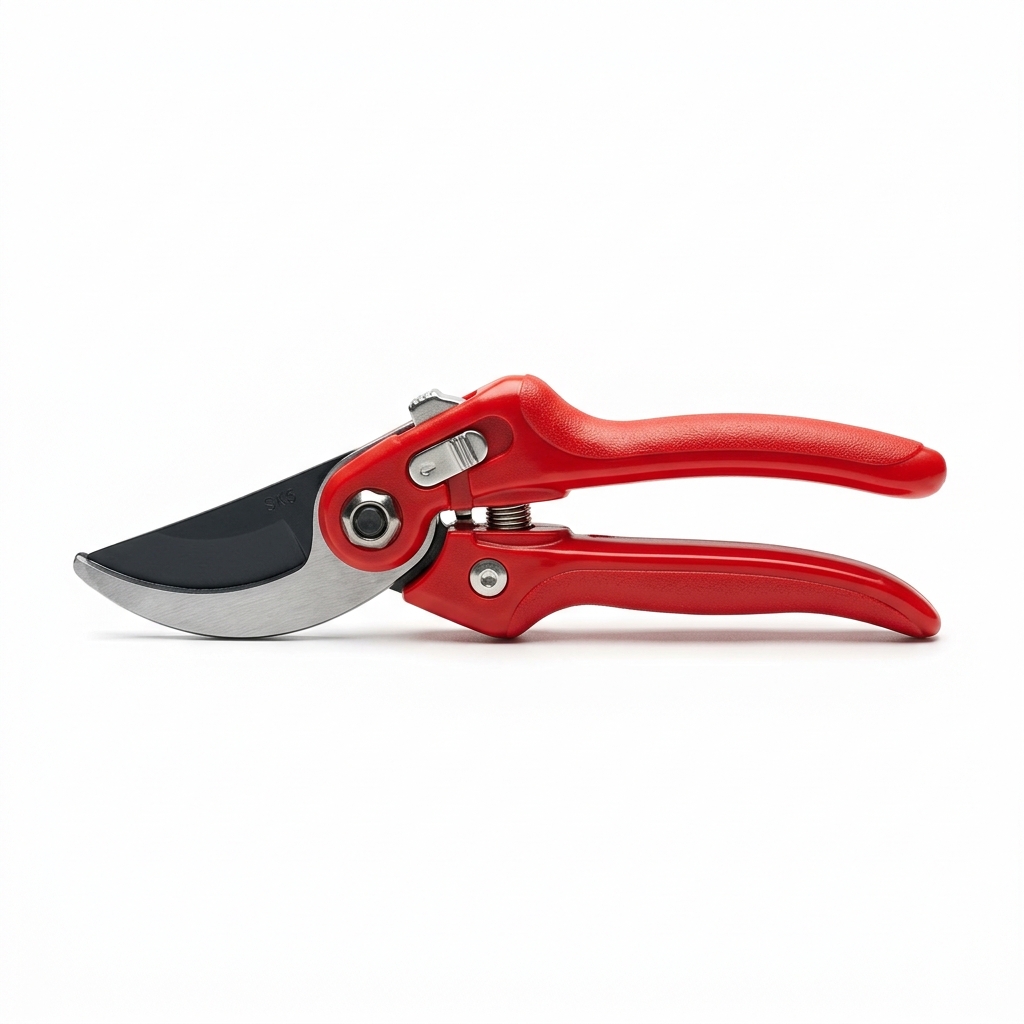
- Pruning shears
- Measuring cup or scoop for fertilizer
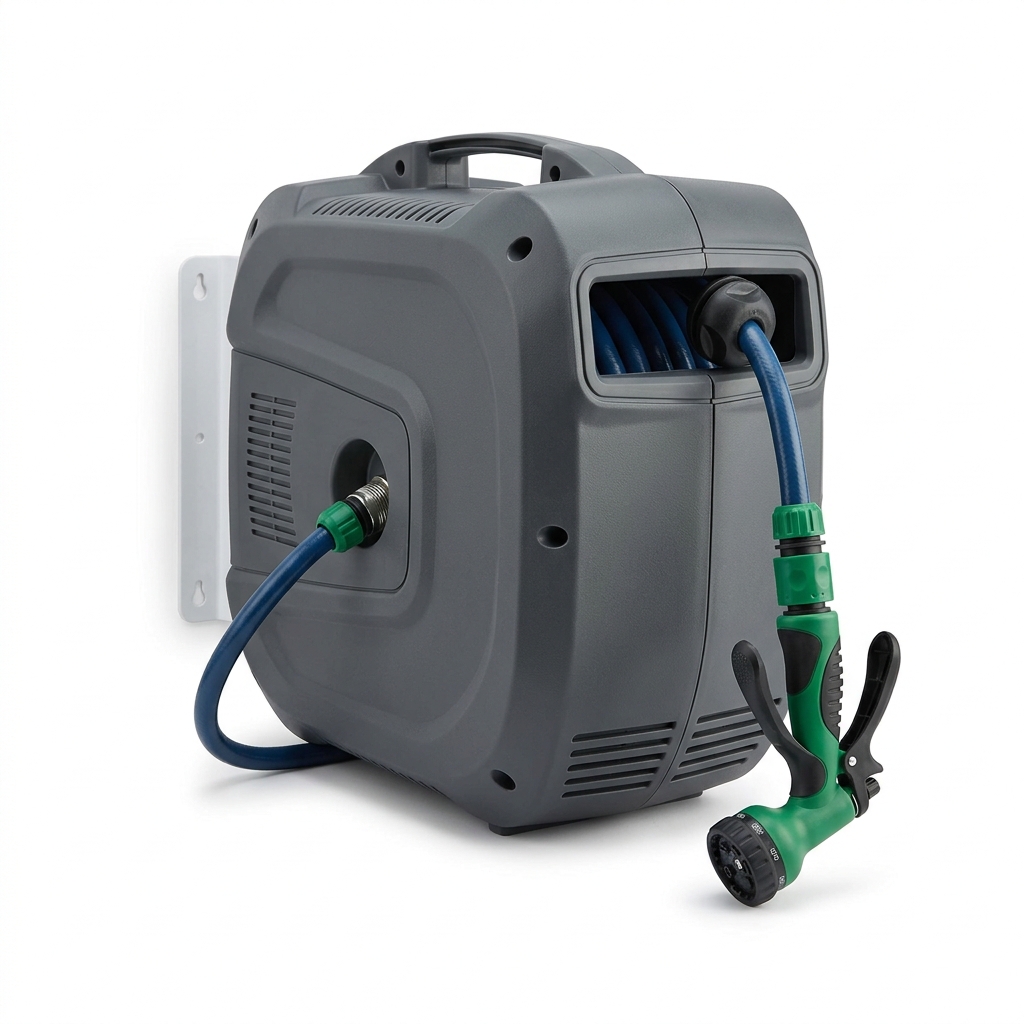
- Garden hose with gentle nozzle or drip-irrigation tools
- Mulch rake (optional)
- Bucket
- Plant labels
- pH meter only as a supplemental observation tool — not a substitute for a reliable soil test
Materials needed
- Blueberry bushes selected for the local climate and chill-hour requirements
- At least two compatible varieties where appropriate for improved cross-pollination and yield
- Fertilizer formulated for acid-loving plants, used according to soil-test and product directions
- Elemental sulfur only when indicated by a soil test and used according to local guidance
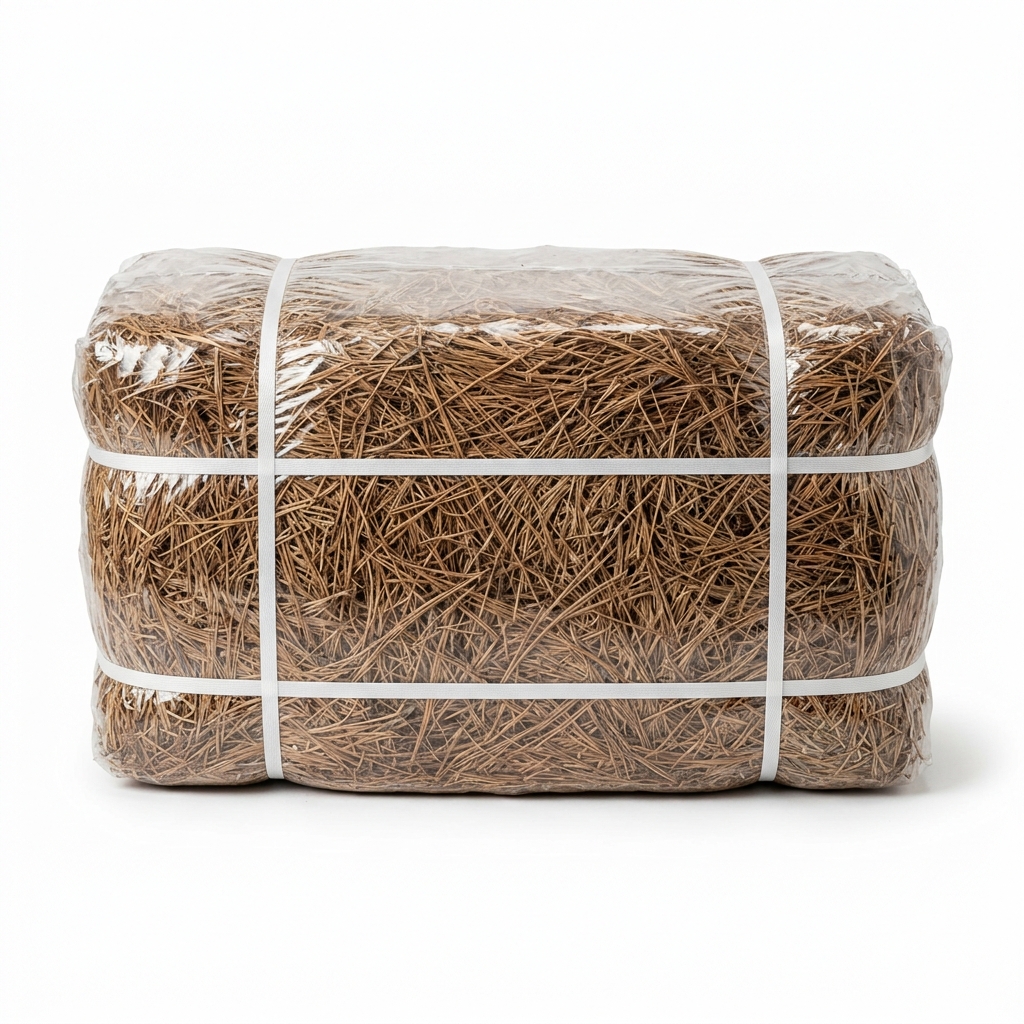
- Pine needles, pine straw, bark, wood chips, or another appropriate organic mulch
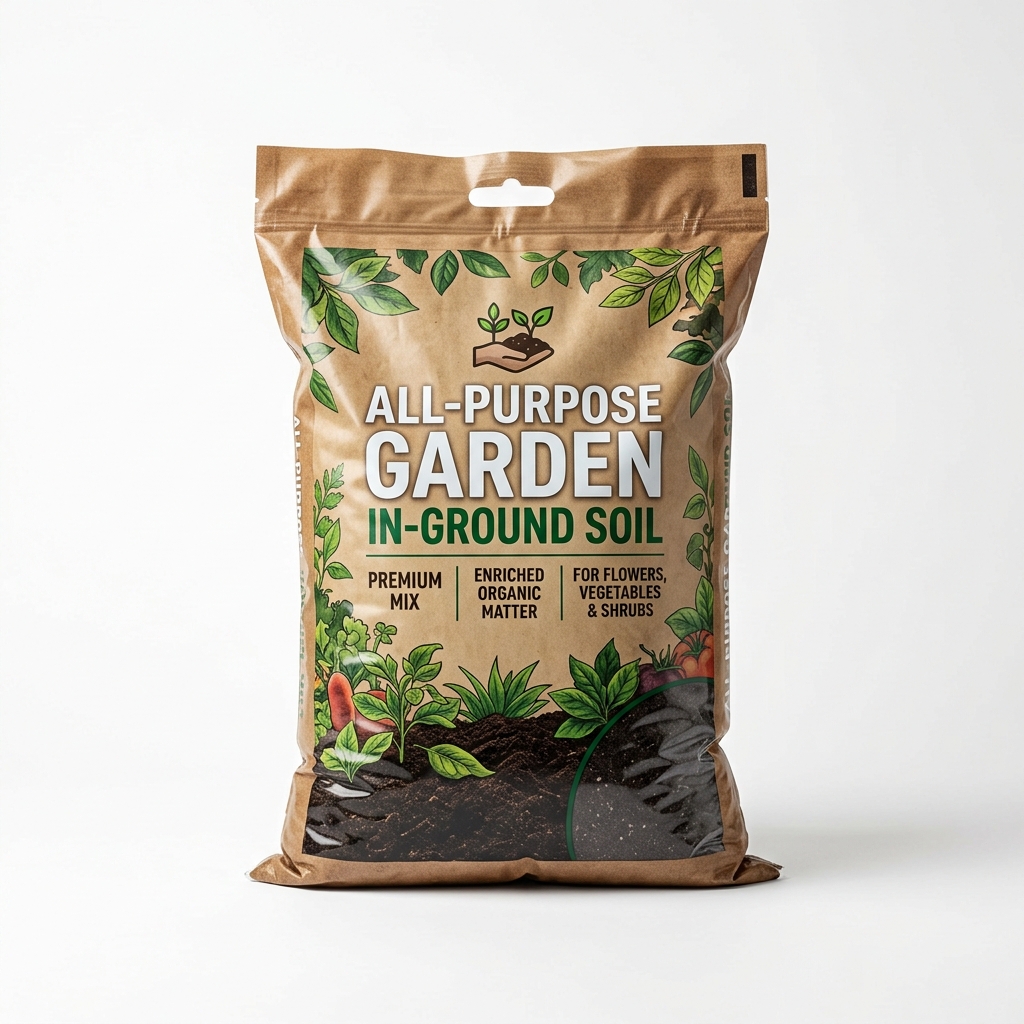
- Compost only if suitable for the site and used conservatively; do not use high-pH amendments
- Drip-irrigation supplies (optional)
- Netting (optional, for bird protection after fruit begins to develop)
Step-by-step
- 1
Test the soil before planting new blueberry bushes and periodically for established plants.
- 2
Choose a site with suitable sunlight, drainage, and enough room for mature bushes.
- 3
Select blueberry varieties suited to the local climate, plant type, and chill-hour conditions.
- 4
Plant more than one compatible variety when recommended for the type of blueberry you are growing and when the goal is stronger cross-pollination and yield.
- 5
Do not assume any two blueberry varieties are compatible; check bloom timing and local variety recommendations.
- 6
Maintain soil pH in the acidic range recommended for blueberries, commonly about pH 4.5–5.5.
- 7
If soil pH is too high, use soil-test-based amendment guidance and allow time for adjustments rather than applying acidifying products repeatedly without measurement.
- 8
Apply an acid-loving-plant fertilizer or other locally recommended fertilizer according to the product label, plant age, season, and soil-test guidance.
- 9
Keep fertilizer away from the plant crown and avoid overfertilizing.
- 10
Apply a 2–3 inch layer of pine needles, pine straw, bark, wood chips, or another suitable organic mulch while keeping mulch away from direct contact with the stems.
- 11
Understand that pine needles and pine straw are useful mulch for moisture and weed management, but mulch alone should not be relied upon to correct unsuitable soil pH.
- 12
Water deeply enough to keep the root zone consistently moist without leaving the soil waterlogged.
- 13
Monitor soil moisture more closely during hot, dry, windy weather and during fruit development.
- 14
Use drip irrigation or slow hand watering where possible to wet the root zone efficiently.
- 15
Prune dead, damaged, crossing, or unproductive wood according to the blueberry type and the season appropriate for local growing conditions.
- 16
Recheck soil pH and plant vigor regularly, especially if leaves yellow, growth is weak, or fruit production declines.
Common mistakes
- • Planting blueberries without testing soil pH.
- • Trying to grow blueberries in strongly alkaline soil without a realistic soil-amendment plan.
- • Assuming pine needles alone will lower pH enough for blueberries.
- • Overwatering and leaving roots in poorly drained or waterlogged soil.
- • Letting the root zone dry out repeatedly during hot weather or fruit development.
- • Overfertilizing.
- • Applying fertilizer directly against stems or crowns.
- • Choosing varieties without checking climate suitability, bloom timing, or pollination needs.
- • Assuming every blueberry variety needs the same pruning method.
- • Treating a handheld pH meter as a replacement for a proper soil test.
Maintenance & next steps
Test soil regularly, refresh mulch as it breaks down, inspect irrigation during dry weather, and review pruning needs each dormant season. Keep records of variety names, planting dates, fertilizer applications, pH results, and harvest performance.
Contact a local Extension office, nursery professional, or horticulturist if soil pH remains too high despite appropriate management, bushes show persistent decline, drainage is poor, leaves remain yellow after soil testing, or you need help selecting varieties for your climate.
Frequently asked questions
What soil pH do blueberry bushes need?+
Blueberries generally grow best in acidic soil, commonly around pH 4.5–5.5. A soil test is the best way to confirm the current pH and decide whether changes are needed.
Do I need two blueberry bushes?+
Some varieties can produce fruit alone, but many types produce better with a compatible second variety that blooms at the same time. Check recommendations for your blueberry type and region.
Will pine needles make my soil acidic enough for blueberries?+
Pine needles can be useful mulch, but do not rely on them alone to change unsuitable soil pH. Use a soil test and appropriate amendments when needed.
How often should I water blueberries?+
Watering depends on weather, soil, plant age, and fruiting stage. Keep the root zone evenly moist without allowing standing water or waterlogged soil.
What fertilizer is best for blueberries?+
Use a fertilizer appropriate for acid-loving plants and follow soil-test, label, and local guidance. Avoid overfertilizing.
Why are my blueberry leaves yellow?+
Yellowing can have several causes, including unsuitable soil pH, nutrient availability, root stress, overwatering, drought, or other plant problems. Start with a soil test and inspect drainage.