Tools needed
- Flashlight
- Measuring tape
- Permanent marker or label
Materials needed
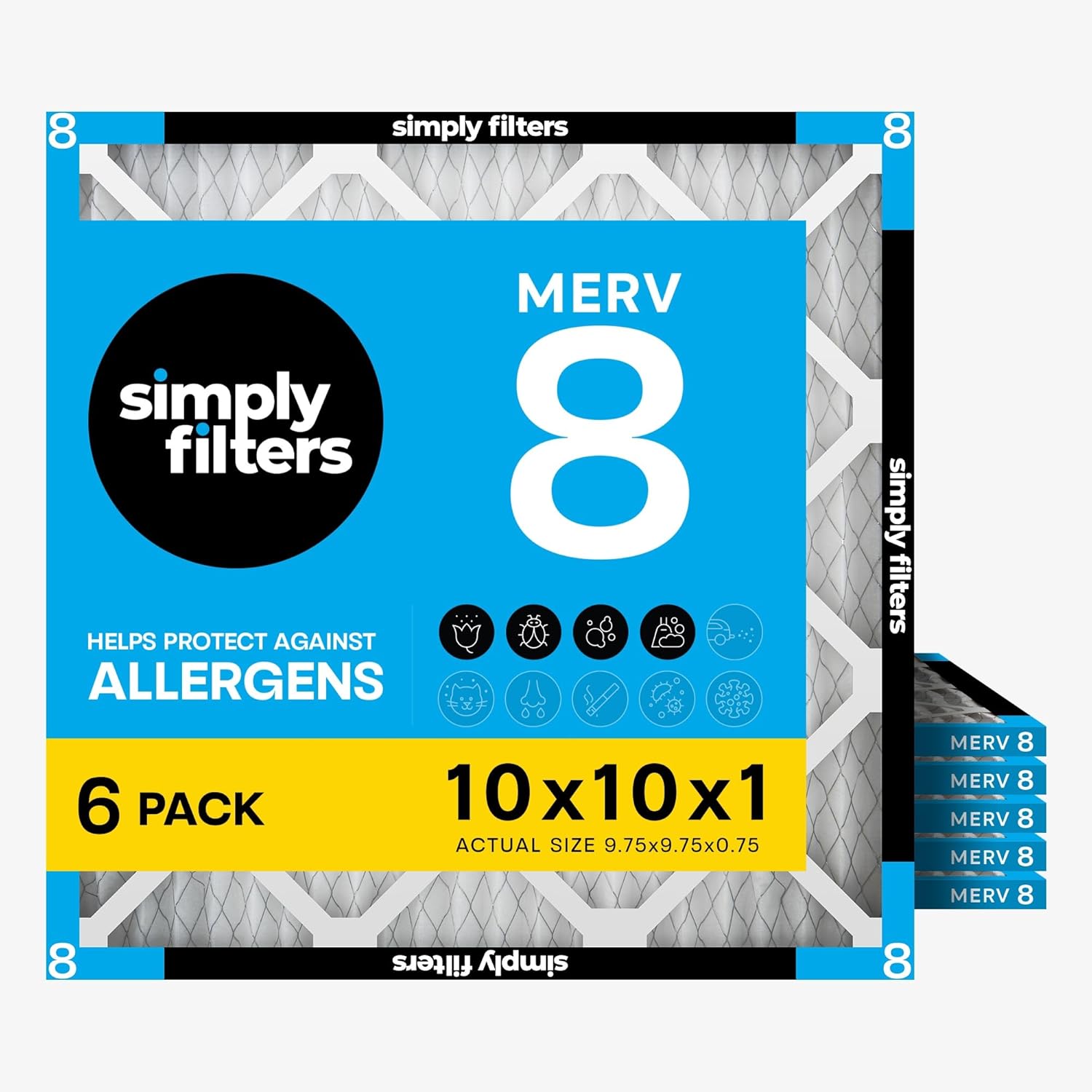
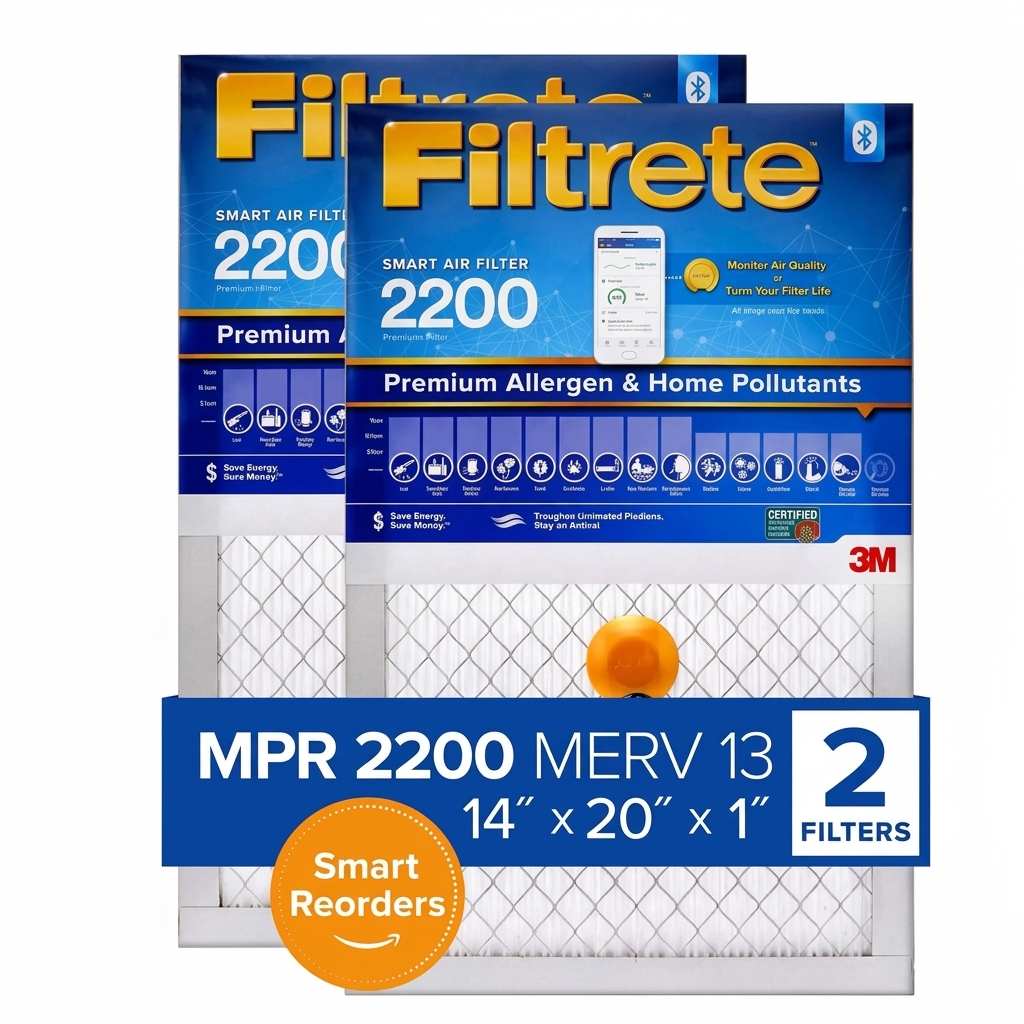
- Correct-size replacement HVAC air filter
- Optional spare replacement filters for future changes
Step-by-step
- 1
Turn off the thermostat or HVAC system before opening the filter compartment.
- 2
Locate the filter at the return-air grille, furnace, air handler, or other manufacturer-designated location.
- 3
Take a photo of the existing filter label and airflow arrow before removing it.
- 4
Slide out the old filter carefully to keep loose dust from falling into the return.
- 5
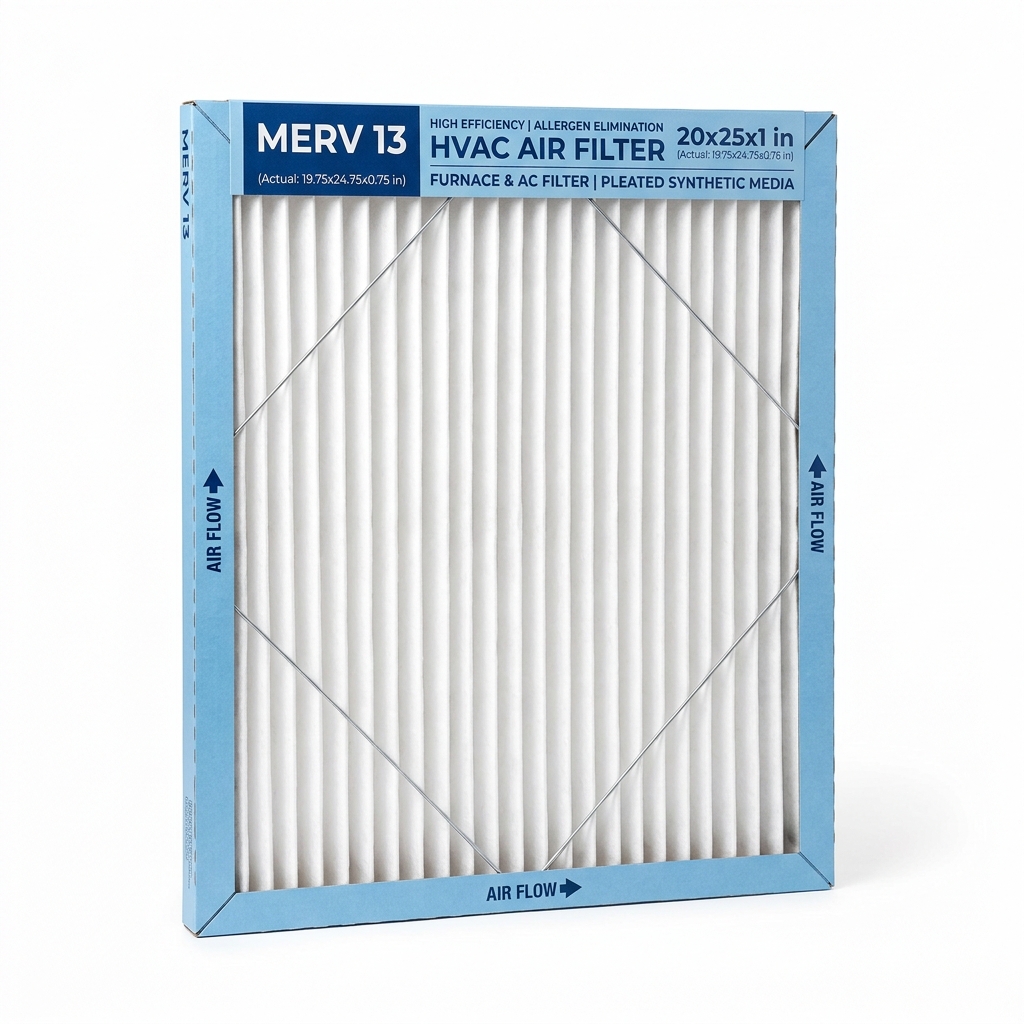
Check the filter's printed size, thickness, MERV rating, and airflow-direction arrow.
- 6
Measure the filter slot if the printed size is missing, unclear, or the current filter fits poorly.
- 7
Select a replacement filter with the correct size and depth for the system.
- 8
Confirm that any higher-MERV or allergen-focused filter is appropriate for the system before buying or installing it.
- 9
Insert the new filter with its airflow arrow pointing toward the furnace, air handler, or direction of airflow.
- 10
Make sure the filter sits flat in the slot without bending, forcing, or leaving major gaps.
- 11
Close the filter cover or return grille securely.
- 12
Turn the system back on and mark the installation date on the filter frame or your maintenance calendar.
Common mistakes
- • Buying a filter based on approximate dimensions instead of the correct printed or measured size.
- • Installing the filter backward against the airflow-direction arrow.
- • Forcing a filter that does not fit.
- • Forgetting to record the replacement date.
- • Leaving a visibly dirty filter in place for too long.
- • Assuming the highest MERV rating is automatically best for every HVAC system.
- • Using a restrictive allergen filter in an older or airflow-limited system without checking compatibility.
Maintenance & next steps
Check the filter regularly and keep a spare on hand so replacement is easy when the filter is dirty. If you upgrade filtration, monitor comfort and airflow and follow equipment guidance.
Contact a qualified HVAC technician if the filter will not fit correctly, airflow remains weak, the system makes unusual noises, shuts down unexpectedly, develops ice or water issues, smells like it is burning, or you need advice on moving to a higher-MERV filter.
Frequently asked questions
How do I know what size HVAC air filter to buy?+
Start with the size printed on the current correctly fitting filter. If the label is missing or the fit is questionable, measure the filter slot and use manufacturer documentation or an HVAC professional to confirm the correct nominal size and thickness.
Which way should the arrow on an HVAC filter point?+
The arrow should point in the direction of airflow, generally toward the furnace or air handler and away from the return grille.
How often should I change my HVAC filter?+
Check it regularly and replace it when visibly loaded or according to the filter maker, HVAC manufacturer, or installer's guidance. Homes with pets, heavy dust, smoke exposure, or frequent HVAC use may need more frequent changes.
Is the highest MERV rating always the best choice?+
No. Higher-MERV filters can capture finer particles, but they can also increase airflow resistance. Use a rating your HVAC system is designed to handle.
Can an allergen filter damage an older HVAC system?+
A restrictive filter can contribute to airflow problems if the system cannot accommodate its resistance. Equipment age alone does not determine compatibility, but older or airflow-limited systems should be checked before upgrading to a much higher-MERV filter.
What should I do if the replacement filter does not fit?+
Do not force it into place. Recheck the size, thickness, and airflow orientation, then use system documentation or contact a qualified HVAC technician for help.