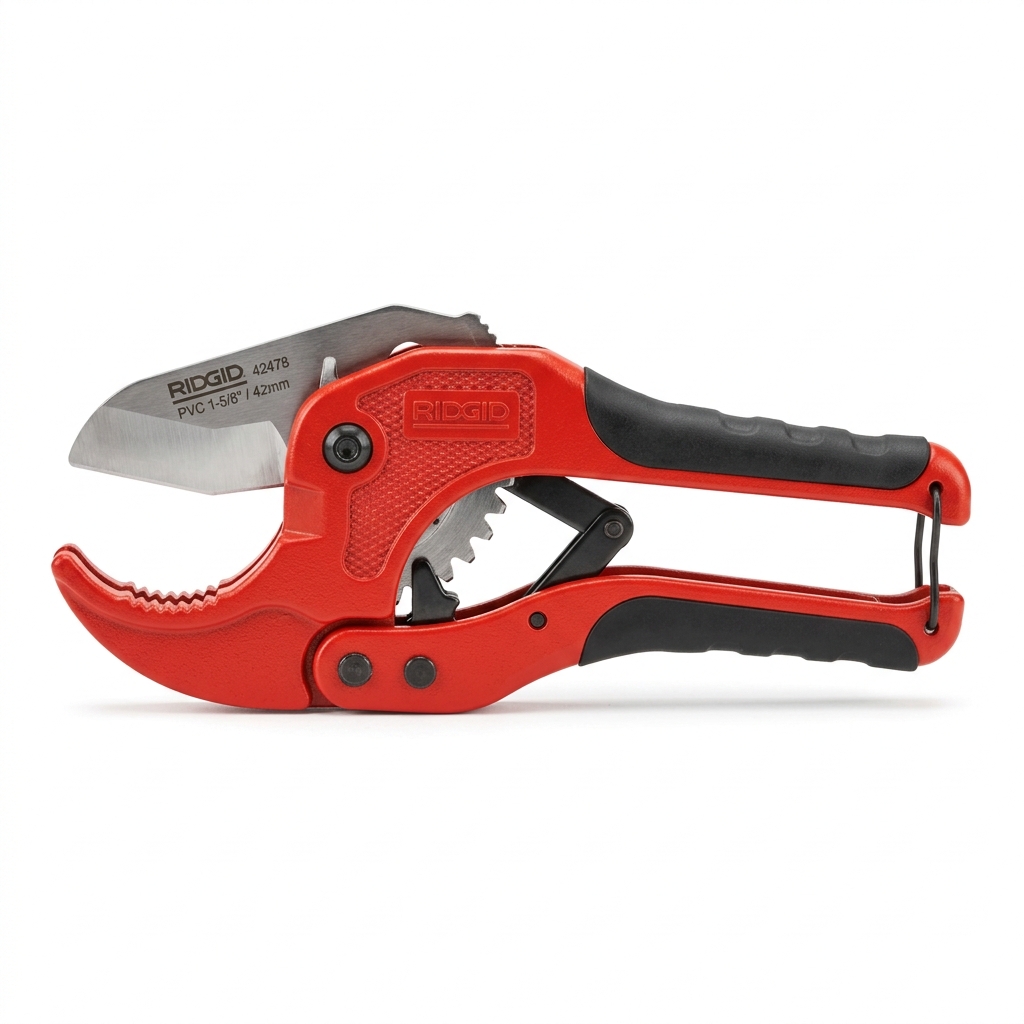
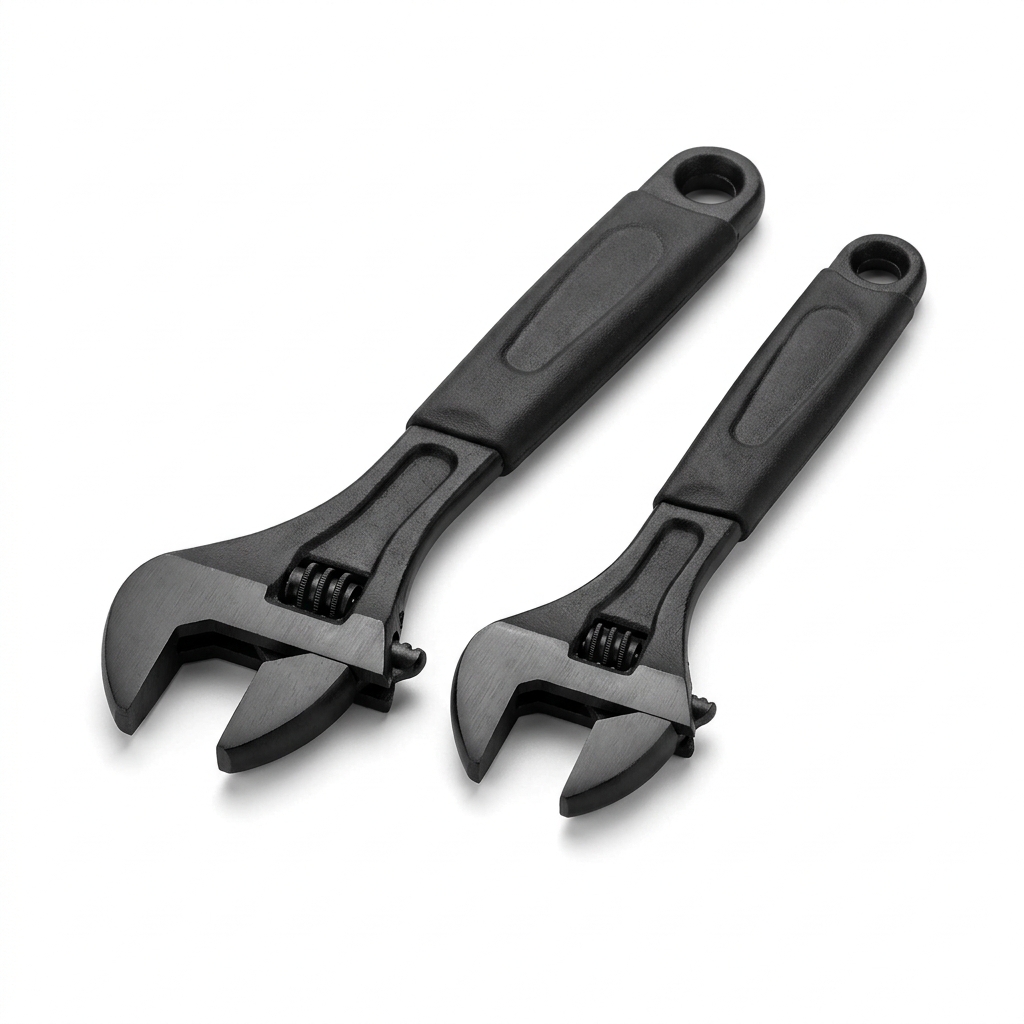
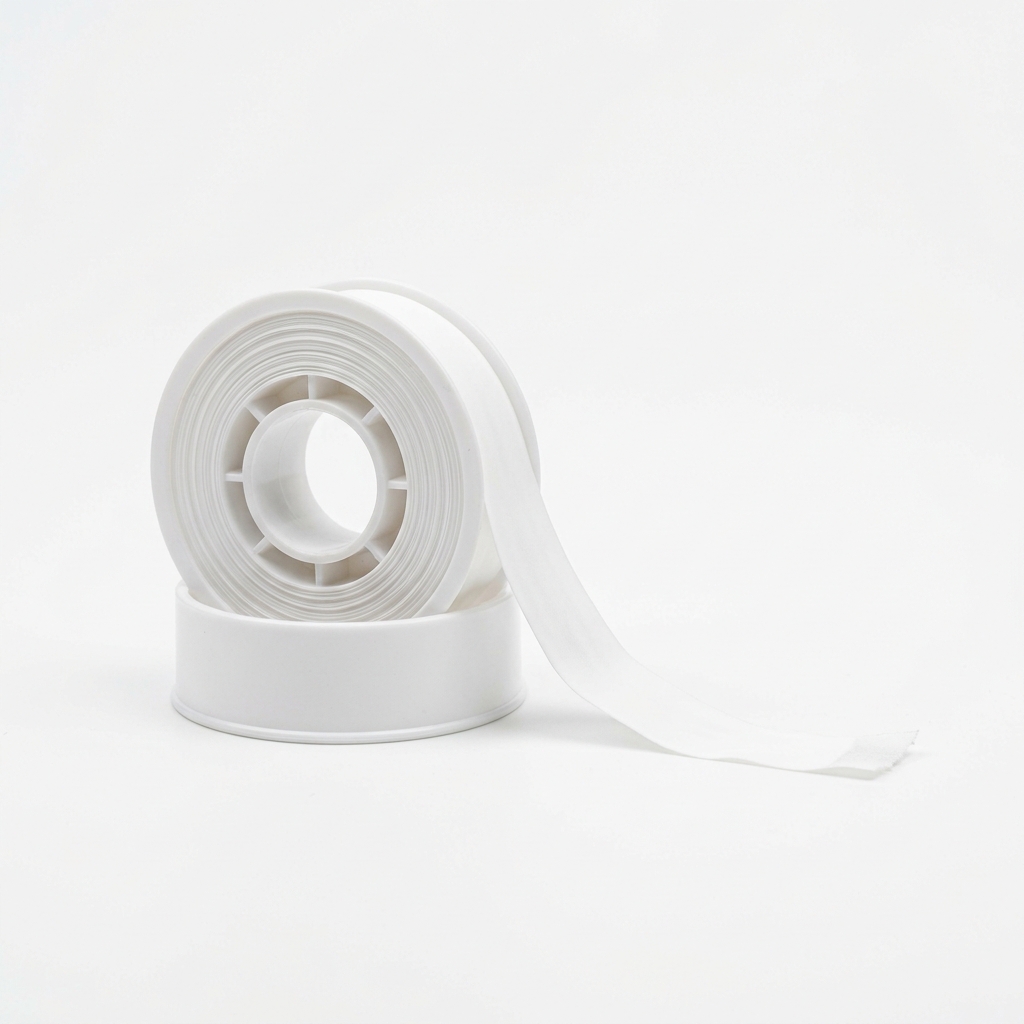
Tools needed
- Bucket
- Towels or absorbent rags
- Flashlight
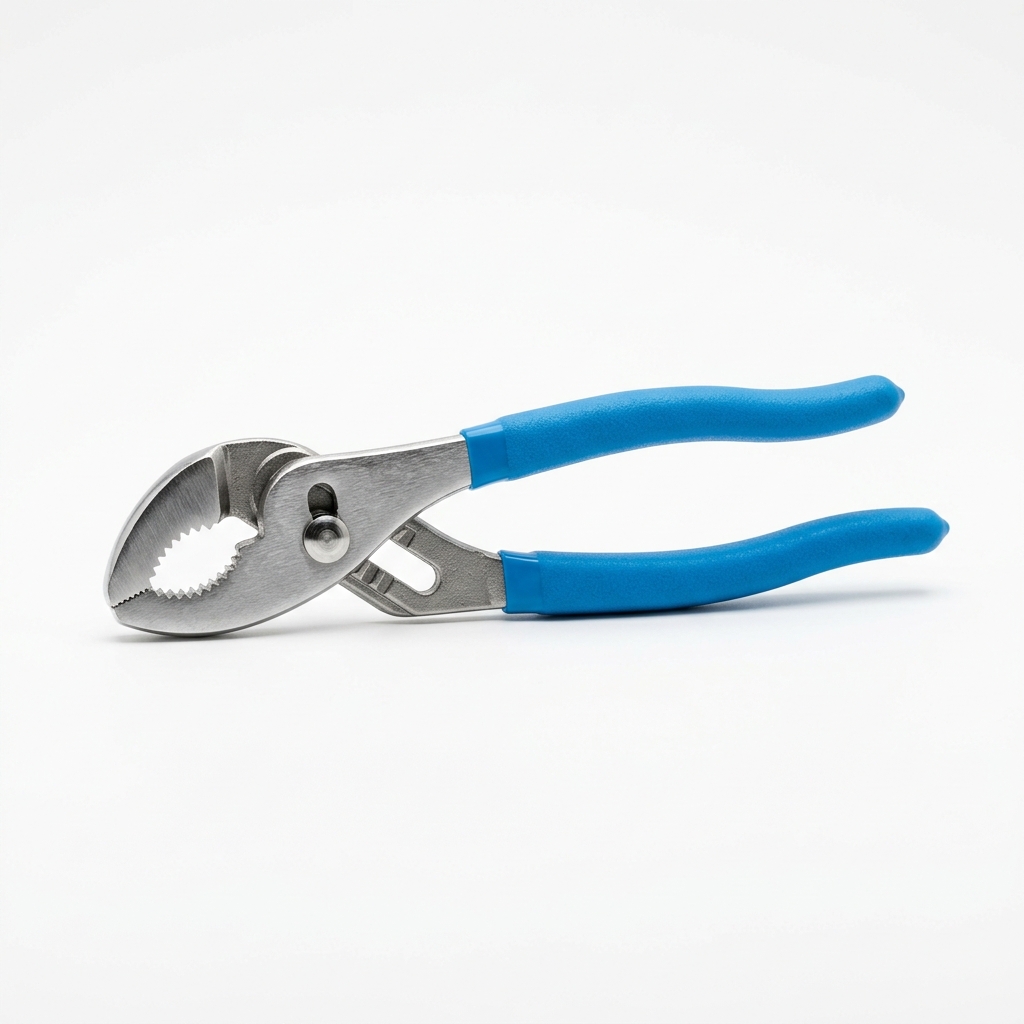
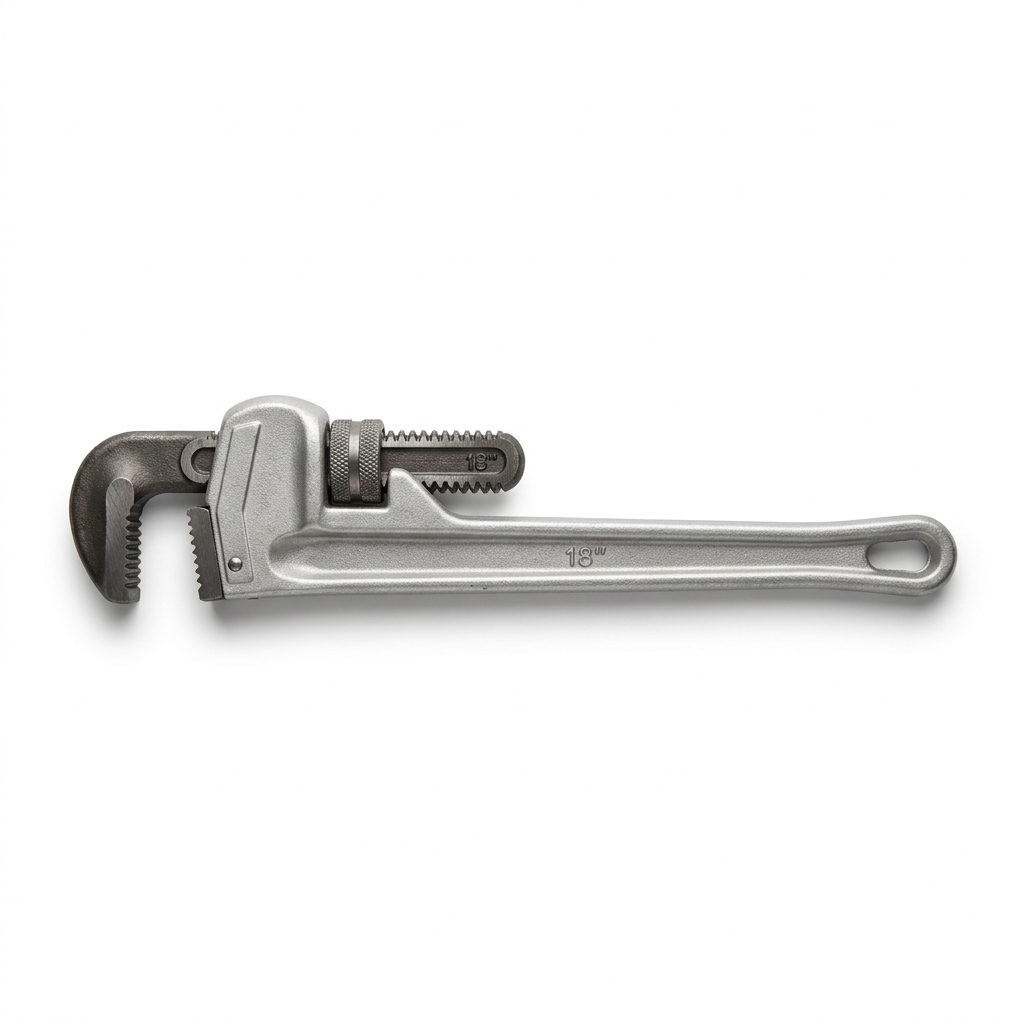
- Slip-joint pliers (optional)
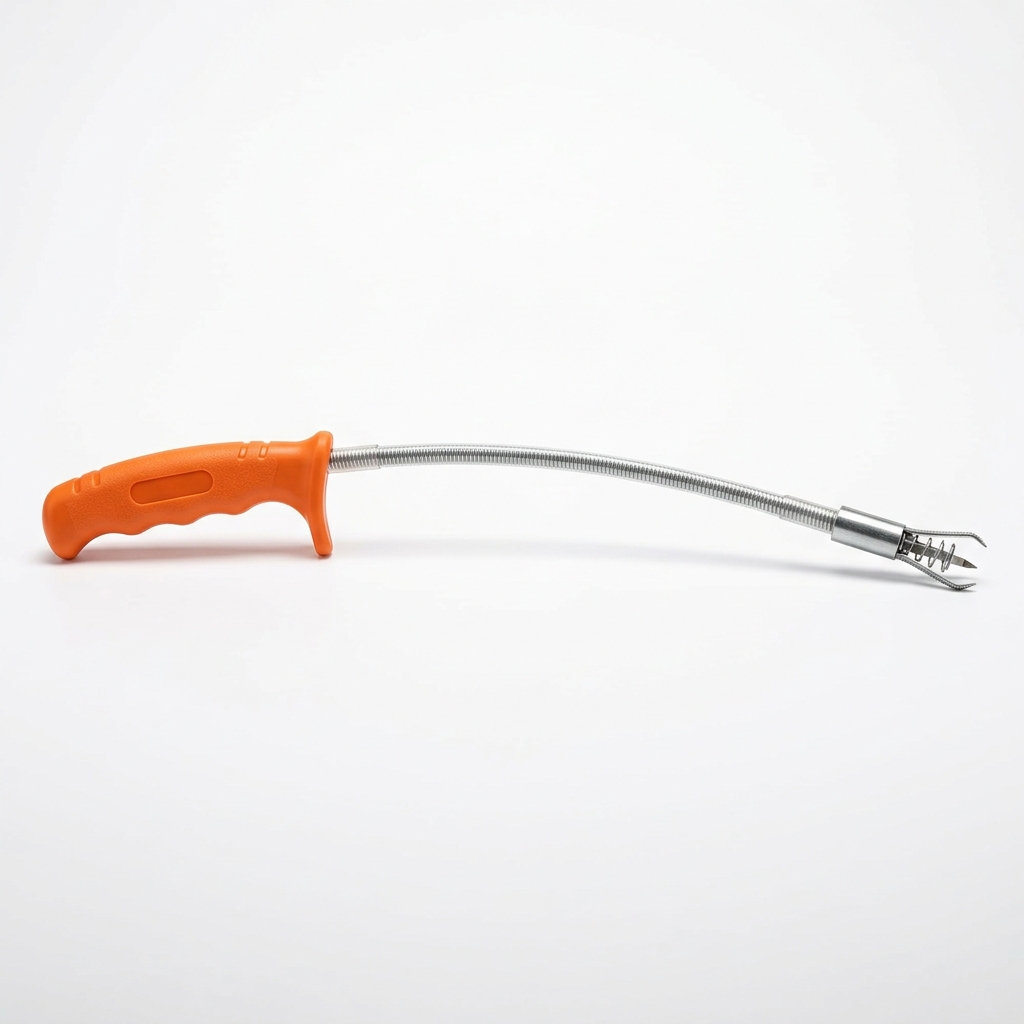
- Hand drain snake or small drain auger
- Small brush (optional)
- Screwdriver only if needed for a specific stopper assembly
- Gloves
- Safety glasses
Materials needed
- Replacement P-trap washers (optional)
- Replacement P-trap components only if the existing trap is damaged or does not reseal
- Mild dish soap and water for cleaning removable parts
- Disinfecting cleaner for cleanup, used according to label directions
- Plumber's tape only if appropriate for threaded supply connections — not as a cure for worn slip-joint washers or damaged drain fittings
Step-by-step
- 1
Stop using the sink and remove standing water from the basin if practical.
- 2
Do not mix drain-cleaning chemicals or add chemicals if any chemical drain cleaner may already be present in the drain.
- 3
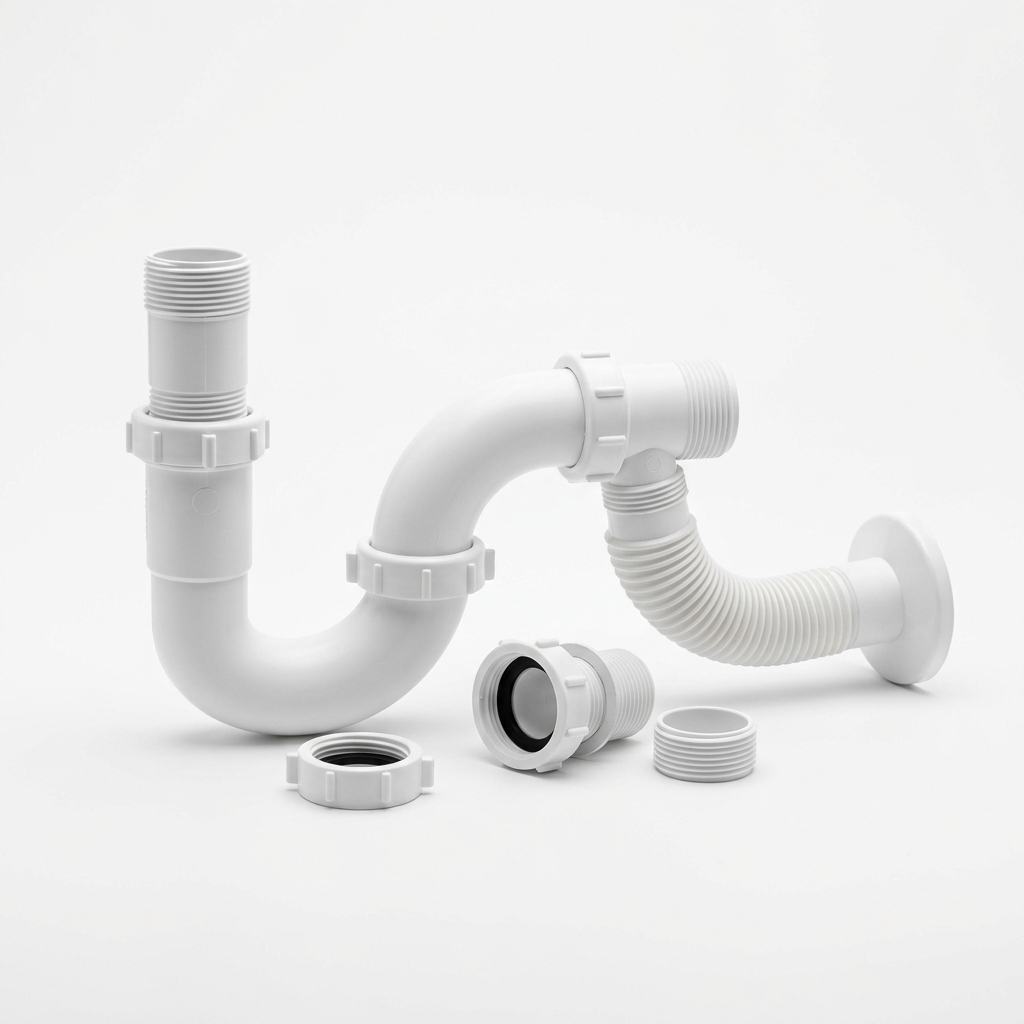
Place a bucket directly under the P-trap and spread towels around the work area.
- 4
Use a flashlight to inspect the trap, slip-joint nuts, and nearby pipes for cracks, corrosion, leaks, or loose fittings.
- 5
Put on gloves and eye protection.
- 6
Loosen the slip-joint nuts by hand where possible, using slip-joint pliers only gently if needed.
- 7
Carefully remove the curved P-trap section and allow water and debris to drain into the bucket.
- 8
Clean debris from the trap using a brush, water, and mild soap as needed.
- 9
Inspect trap washers and fittings for cracks, flattening, damage, or missing parts.
- 10
Reinstall the cleaned trap temporarily or keep the bucket in place if you need to snake the pipe.
- 11
Feed a hand drain snake gently into the drain line beyond the trap opening.
- 12
Turn and advance the snake slowly without forcing it.
- 13
Withdraw the snake carefully and remove debris from the cable.
- 14
Repeat gently if needed, then reinstall the trap with properly seated washers and hand-tighten slip-joint nuts before making only minor additional tightening if necessary.
- 15
Run a small amount of water and inspect for leaks.
- 16
Gradually run more water to confirm the drain flows and fittings remain dry.
- 17
Clean the work area and wash hands after finishing.
Common mistakes
- • Pouring additional chemical drain cleaner into a drain that may already contain chemicals.
- • Mixing chemical cleaners with bleach, vinegar, ammonia, or other products.
- • Removing the trap without placing a bucket and towels underneath.
- • Overtightening plastic slip-joint nuts and cracking fittings.
- • Using excessive force with a drain snake.
- • Snaking a drain without checking for damaged, corroded, or leaking pipes.
- • Reusing visibly damaged washers.
- • Using plumber's tape to compensate for a worn washer or damaged drain fitting.
- • Ignoring repeated clogs, sewage odors, backups, or leaks that point to a larger plumbing problem.
Maintenance & next steps
Use sink strainers to reduce debris entering the drain and avoid putting grease, coffee grounds, large food scraps, or other clog-prone materials down the sink. Address slow drainage early before it becomes a complete blockage.
Call a licensed plumber for sewage backup, repeated or widespread clogs, leaks inside walls or floors, damaged or heavily corroded pipes, a clog that will not clear with gentle accessible work, chemical-cleaner exposure, or any concern about the main sewer line.
Frequently asked questions
What is a P-trap?+
A P-trap is the curved drain pipe beneath a sink. It holds water that helps prevent sewer gases from coming back through the drain.
Do I need to turn off the water before removing a P-trap?+
You usually do not need to shut off supply valves for a drain-trap cleaning, but do not run water while the trap is removed. If you are unsure which pipes you are working on, stop and consult a pro.
Can I use a drain snake after using chemical cleaner?+
No. Do not snake or disassemble a drain if chemical cleaner may be present, because it can splash and cause injury. Follow the product label and contact a professional if needed.
Why is my sink still clogged after cleaning the trap?+
The blockage may be farther down the drain line, or the issue may involve grease buildup, a vent, pipe damage, or another plumbing problem.
Why does my sink leak after I reinstall the trap?+
Check that washers are clean, correctly seated, and undamaged, and that fittings are aligned and hand-tightened. Replace damaged parts rather than overtightening them.