Part 1: The Winterization Prep Checklist
Step 1: Mow Low and Pre-Water
Before starting, drop your mower height down one notch lower than your standard summer cut, bringing the grass canopy down to roughly 1.5 to 2 inches. This opens up sunlight channels to the dirt line. Thoroughly water the lawn 24 hours before aerating to soften the soil structure; never attempt to run an aerator over rock-hard, bone-dry earth.
Step 2: Run the Core Aerator in Two Passes
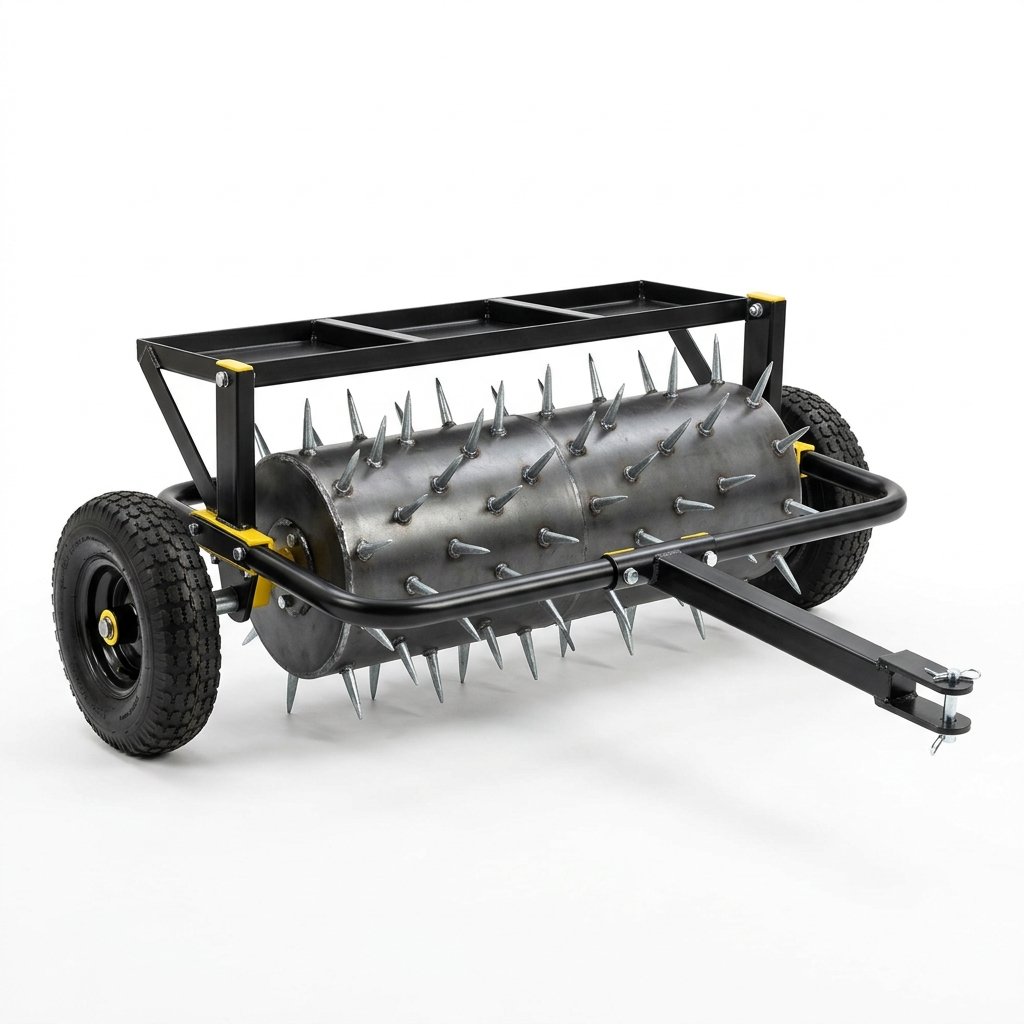
Run your mechanical core aerator in two separate passes, ensuring the second pass is completely perpendicular to the first to form a tight, uniform grid pattern. To guarantee deep tine penetration into heavy, compacted clay soil zones, strap two solid concrete cinder blocks or heavy 80-pound sandbags onto the aerator's top weight tray using heavy-duty tie-down straps. This extra downward force forces the hollow tines to pull true, 2-to-3-inch deep soil plugs. Leave the extracted soil plugs right on the surface; they will break down naturally over the next two weeks to feed free organic matter back into your topsoil.
Part 2: Turf Selection: Why Fescue Purists Stick to Fescue
Choosing the right seed type during your autumn overhaul dictates how your lawn survives summer heat waves. If you already have an established Turf-Type Tall Fescue lawn, you must stick strictly to pure Tall Fescue blends for your regular overseeding.
Mixing grass types like Perennial Ryegrass into an existing fescue lawn creates clumping, patchy texture mismatches, and an uneven color sheen. Furthermore, Perennial Ryegrass has a shallow root system that handles summer heat poorly. During a July drought, the ryegrass patches will go thin and brown much faster than your deep-rooted fescue, leaving your yard looking like a messy checkerboard.
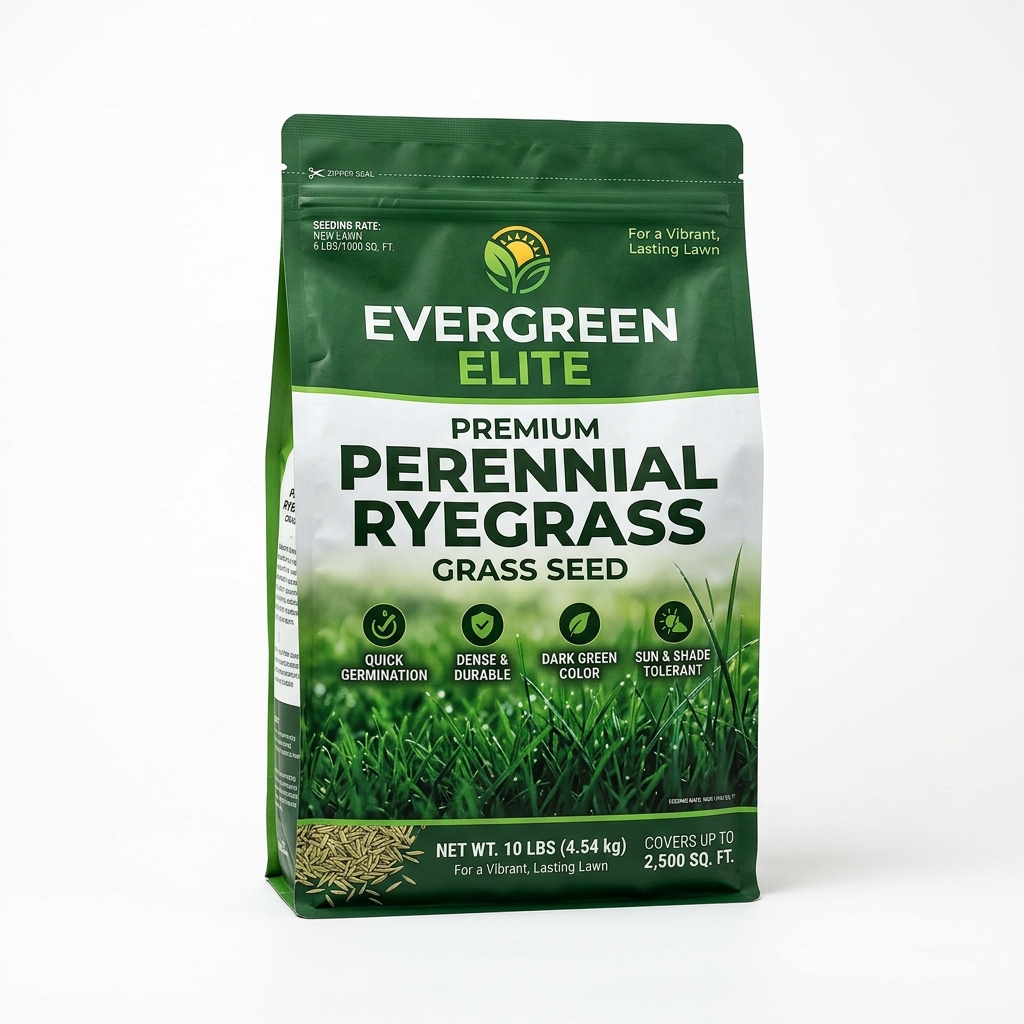
Only utilize Perennial Ryegrass as an emergency rescue play for rapid 5-day soil stabilization on bare, eroding dirt if you are planting very late in October and are racing against an imminent winter freeze.
Step 3: Spread Quality Seed and Calibrate Your Spreader
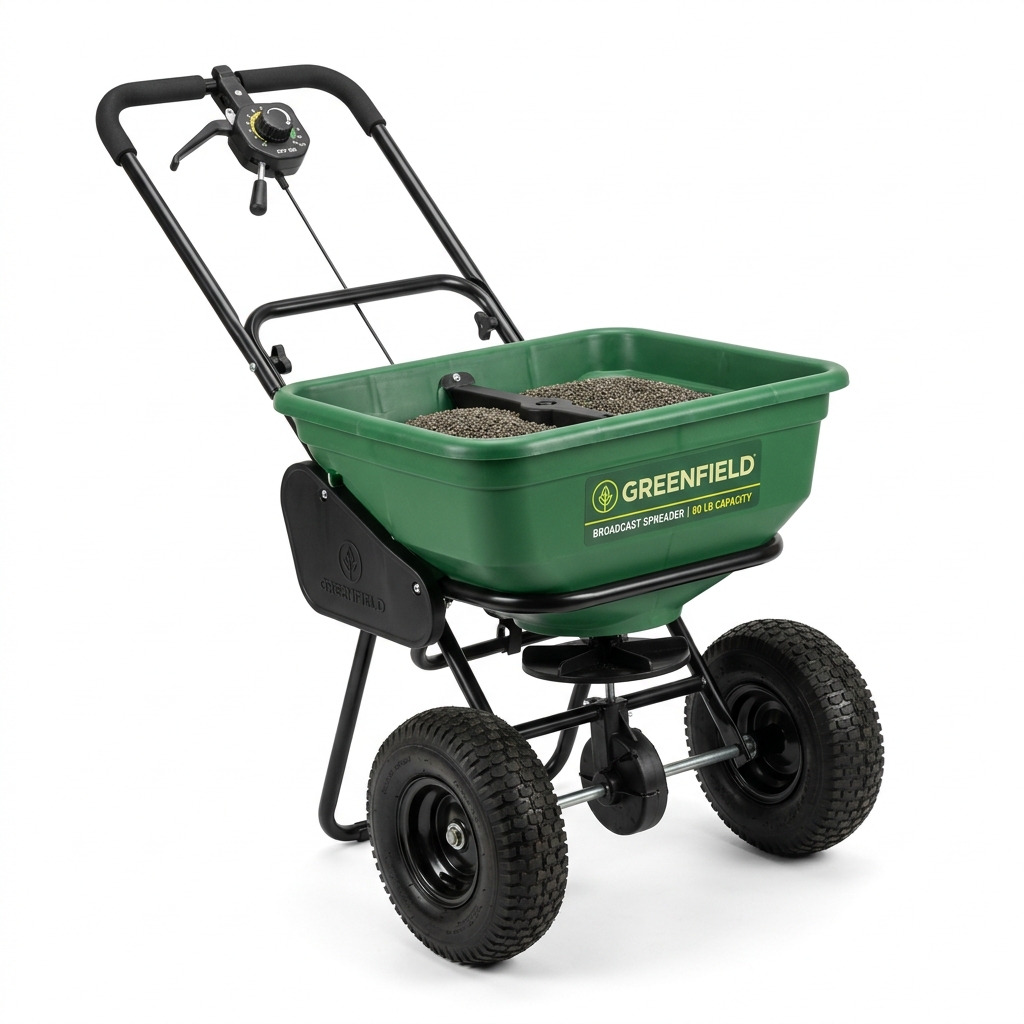
Pour your premium seed blend into your walk-behind broadcast spreader. For uniform overseeding coverage across an existing lawn using a high-density, pure fescue mix like Jonathan Green Black Beauty Ultra, calibrate your Scotts EdgeGuard DLX Spreader directly to Setting 5. Walk at a steady, brisk pace across your yard grid to ensure even particle distribution without creating dense rows or wasting seed over sidewalks and driveways.
Step 4: Apply Nutrition and Maintain Moisture
Apply a balanced granular starter fertilizer to feed the newly emerging sprouts. Keep the surface of the soil consistently moist by watering lightly 2 to 3 times a day for the first 14 days. Never let the seed bed dry out completely, as drying halts germination instantly and kills the young seedlings.
Tools needed
- Mechanical core aerator
- Walk-behind broadcast spreader
- Rake
- Hearing and eye protection
Materials needed
- Premium fall grass seed
- Starter fertilizer blend
Step-by-step
- 1
Mow a bit lower than usual and water the lawn a day before to soften soil.
- 2
Run the core aerator in two passes, the second perpendicular to the first.
- 3
Leave the soil plugs on the surface to break down.
- 4
Spread quality seed with a broadcast spreader at the bag's rate.
- 5
Apply starter fertilizer and keep the surface consistently moist until germination.
Common mistakes
- • Aerating bone-dry, rock-hard soil
- • Letting new seed dry out between waterings
Maintenance & next steps
Water lightly and often for the first two weeks, then taper as seedlings establish.
For very large lawns or severe compaction where a tow-behind or pro service is more efficient.