Tools needed
- Hand trowel
- Garden gloves
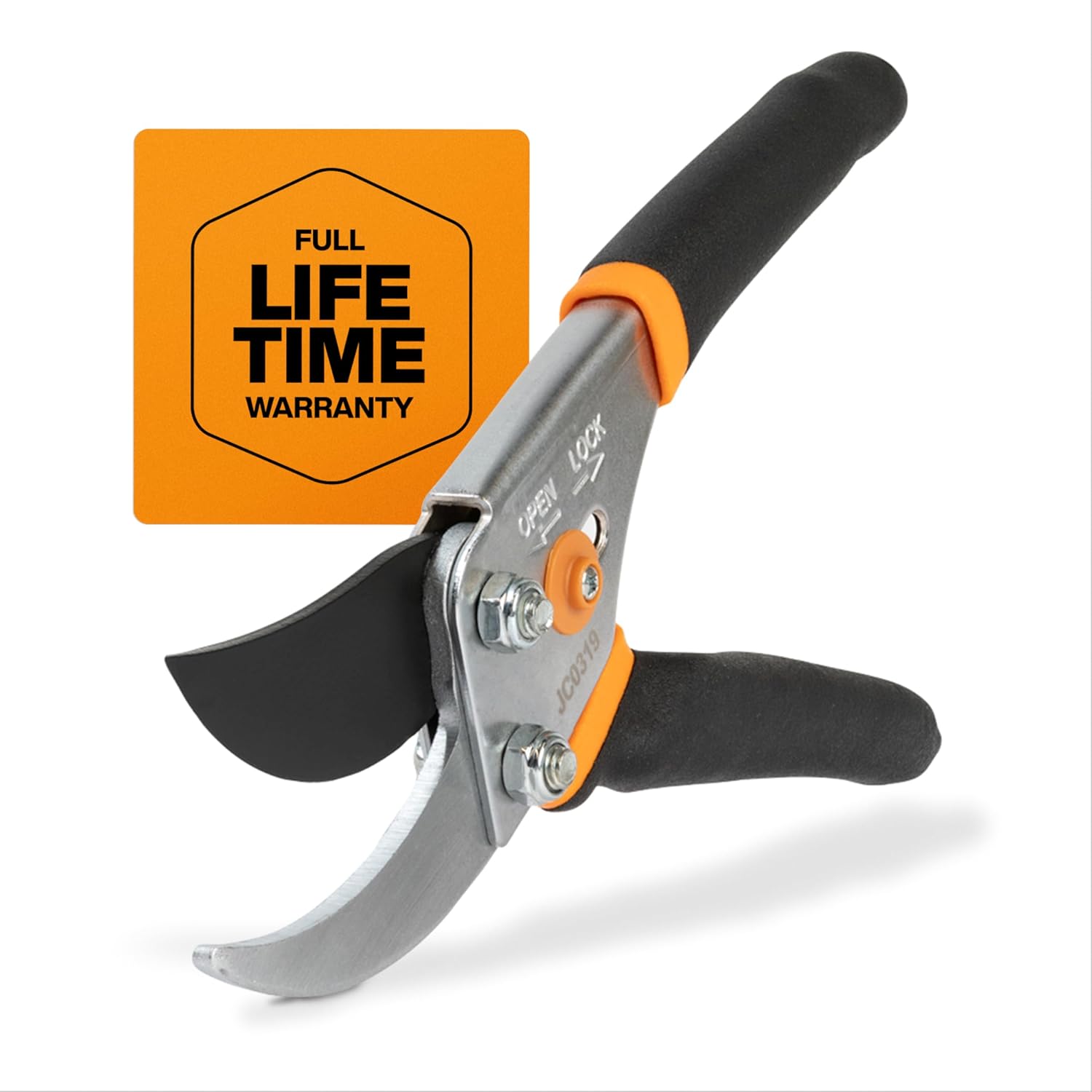
- Hand pruners or herb snips
- Watering can or hose
- Plant labels
- Garden fork or cultivator (optional)
- Measuring tape for spacing
- Containers for invasive or spreading herbs (optional)
- Garden netting or fencing tools for wildlife exclusion (optional)
Materials needed
- Basil plants or seed
- Dill plants or seed
- Rosemary plants
- Thyme plants
- Lavender plants
- Oregano plants
- Mulch
- Compost or planting mix suitable for the location
- Plant supports for dill (optional)
- Deer- or rabbit-exclusion materials such as fencing or netting where needed
- Row covers where appropriate for vegetable protection
Step-by-step
- 1
Choose herbs based on the garden's sunlight, soil drainage, available space, and your local climate.
- 2
Place sun-loving Mediterranean-style herbs such as rosemary, thyme, lavender, and oregano in well-drained areas where they will not be overwatered.
- 3
Plant basil in warm conditions after frost risk has passed and give it consistent moisture without waterlogging.
- 4
Sow or plant dill where it has room to grow and consider succession planting if you want an extended harvest or bloom period.
- 5
Give herbs enough spacing for airflow and mature size.
- 6
Keep spreading herbs, especially oregano, in a location where they can be managed, edged, or grown in containers if needed.
- 7
Use herbs near vegetables only when their light, water, root space, and mature size are compatible.
- 8
Let some herbs flower when you want to provide resources for pollinators and beneficial insects.
- 9
Harvest herbs regularly without removing too much growth at one time.
- 10
Monitor vegetables for pests and identify the pest before choosing a response.
- 11
Use physical barriers such as fencing, netting, or row covers where deer or rabbits are causing real damage.
- 12
Keep fallen fruit, dense weeds, and hiding places under control where they contribute to wildlife pressure.
- 13
Reassess plant placement each season based on what grew well, what spread too much, and what wildlife damage occurred.
Common mistakes
- • Assuming aromatic herbs will reliably stop deer, rabbits, or insects from entering the garden.
- • Planting all herbs in the same conditions even though water and drainage needs differ.
- • Overwatering rosemary, thyme, lavender, or oregano.
- • Planting basil before warm weather is established.
- • Allowing oregano or other spreading herbs to overtake nearby plants.
- • Overharvesting young herbs.
- • Ignoring mature plant size and shading vegetables.
- • Treating companion planting as a replacement for pest identification, barriers, sanitation, or other integrated pest-management practices.
- • Using repellents or pesticides without reading and following the label.
Maintenance & next steps
Harvest regularly, prune plants to maintain shape, divide or contain spreading perennials, refresh mulch, and replace annual herbs each season. Review wildlife damage and strengthen physical barriers before the next growing period if deer or rabbits are persistent.
Contact a local Extension office, Master Gardener program, or horticulture professional for help identifying persistent pests, selecting perennial herbs for your climate, managing invasive plants, or designing effective deer and rabbit exclusion for a large garden.
Frequently asked questions
Which herbs come back every year?+
Rosemary, thyme, lavender, and oregano can be perennial where they are winter hardy and have suitable drainage. Basil and dill are generally annuals, though dill may self-seed.
Does basil repel garden pests?+
Basil can add diversity and flowers to a garden, but it should not be treated as a guaranteed pest-control product. Monitor plants and use targeted pest-management methods when needed.
Will rosemary or lavender keep deer away?+
Deer often avoid strongly scented plants, but they may still eat them or nearby plants when food is scarce. Physical barriers are more reliable than companion planting alone.
Do rabbits eat herbs?+
Rabbits may avoid some strongly scented herbs, but preferences vary and no planting plan is guaranteed. Use fencing or netting when rabbit damage is significant.
Can I plant all herbs together?+
Not always. Group herbs with similar sunlight, drainage, watering, and mature-size needs rather than forcing every herb into the same bed.
Why should I let some herbs flower?+
Herb flowers can provide nectar and pollen for pollinators and other beneficial insects. Leave some plants to flower while continuing to harvest others for the kitchen.