Tools needed
- Hand trowel
- Garden gloves
- Rake
- Watering can or hose
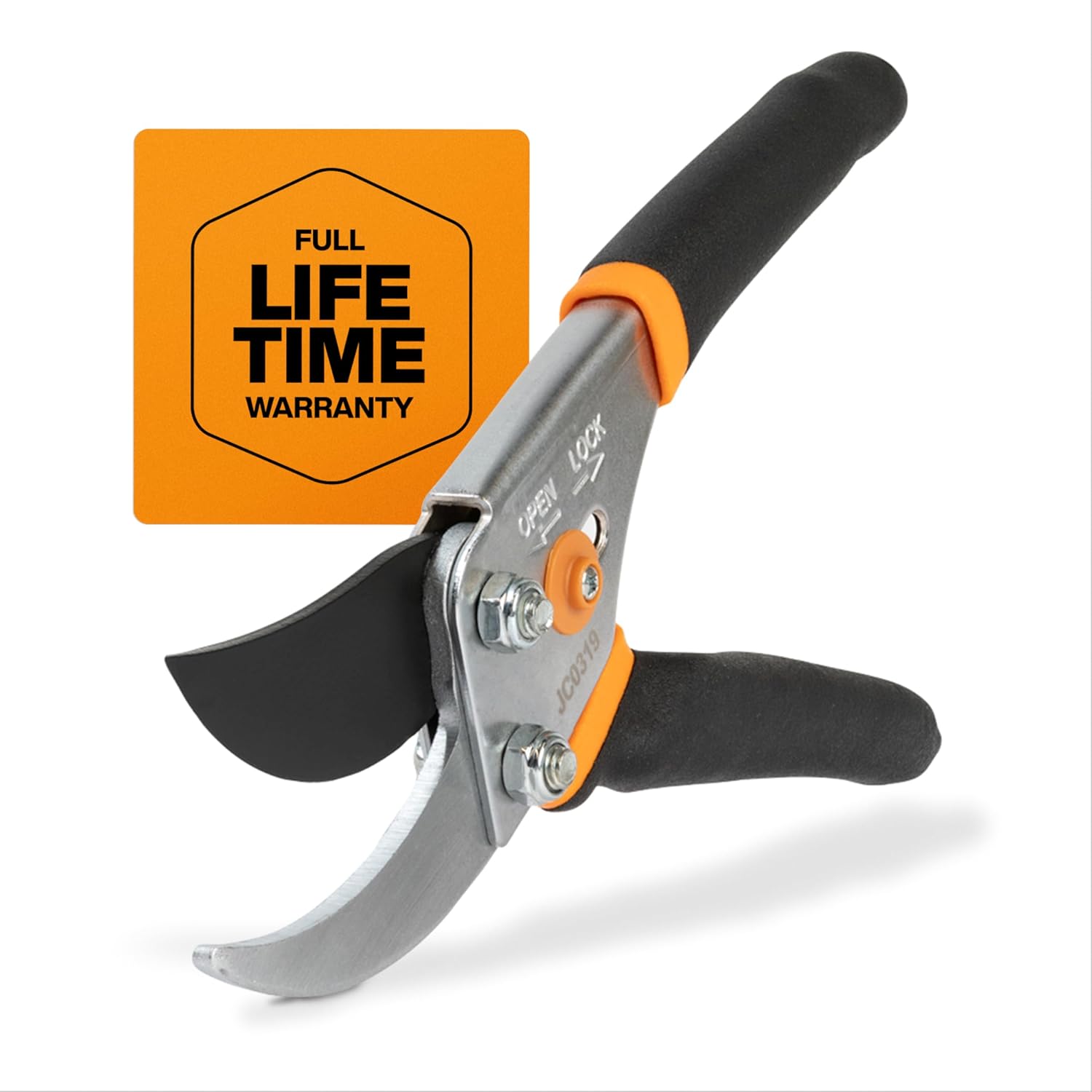
- Hand pruners or snips
- Plant labels
- Seed-starting trays and pots (optional)
- Garden notebook (optional)
Materials needed
- Regionally appropriate native wildflower seeds or plants
- Bee balm plants or seed suited to the local climate
- Additional nectar- and pollen-producing plants with staggered bloom times
- Compost (optional)
- Mulch appropriate for the planting area
- Plant supports (optional, for taller varieties)
- Watering supplies
Step-by-step
- 1
Observe the planting area for sunlight, soil moisture, drainage, and available space.
- 2
Choose native or well-adapted flowering plants that suit the site instead of selecting flowers only for appearance.
- 3
Include more than one flower type and aim for overlapping bloom periods from spring through fall where climate allows.
- 4
Include bee balm where it suits the site, giving it adequate room and airflow.
- 5
Mix flower shapes and plant heights to provide different feeding and shelter opportunities.
- 6
Group some plants in clusters so flowering resources are easier for insects to find.
- 7
Prepare the planting area by removing aggressive weeds and loosening the soil only as needed.
- 8
Plant seeds or transplants at the depth and spacing recommended for each species.
- 9
Water new plants consistently until they are established.
- 10
Add mulch where appropriate, keeping it away from plant stems.
- 11
Avoid routine broad-spectrum insecticide use, especially while plants are flowering.
- 12
Inspect plants regularly and use targeted pest-management methods when action is needed.
- 13
Leave some healthy plant stems, leaf litter, or sheltered habitat through winter where appropriate and where it does not create a disease or safety problem.
- 14
Keep notes on bloom time, pollinator activity, pest pressure, and which plants perform best.
Common mistakes
- • Planting a single flower species and expecting season-long support for beneficial insects.
- • Choosing plants without checking whether they suit local sun, soil, and moisture conditions.
- • Treating every insect as a pest.
- • Using broad-spectrum insecticides near flowering plants.
- • Expecting wildflowers to eliminate all pest problems.
- • Overcrowding bee balm or other plants that need airflow.
- • Allowing invasive or aggressive species to spread unchecked.
- • Removing all plant material and shelter from the garden immediately in fall.
- • Ignoring the need to water young transplants until established.
Maintenance & next steps
Water plants during establishment, deadhead only when appropriate for the species and your habitat goals, divide crowded perennials when needed, and add new bloom periods if the garden has seasonal gaps. Keep observing which plants attract beneficial insects in your location.
Contact a local Extension office, native-plant society, or horticulture professional if you need help identifying invasive plants, selecting regionally appropriate species, managing severe plant disease, or handling a large pest outbreak without harming pollinators.
Frequently asked questions
Will wildflowers bring ladybugs to my garden?+
Flowering plants can provide resources that support many beneficial insects, and ladybugs may visit where food and habitat are available. They are not guaranteed to appear or solve every pest issue.
Is bee balm good for pollinators?+
Bee balm can provide nectar for pollinators when it is suited to the site and cared for properly.
Do I need to plant native wildflowers?+
Native species are often valuable choices, but the best plants depend on your local climate, site conditions, and regional recommendations.
Will pollinator flowers prevent garden pests?+
No. Diverse planting can support beneficial insects, but it is not a complete pest-control system.
Should I use insecticide on flowering plants?+
Avoid routine broad-spectrum insecticide use around flowering plants. Use targeted methods only when needed and follow product labels carefully.